THE POOL NATIVE LIBRARY

Maintenance.

Build routines for cleaning, opening and closing.

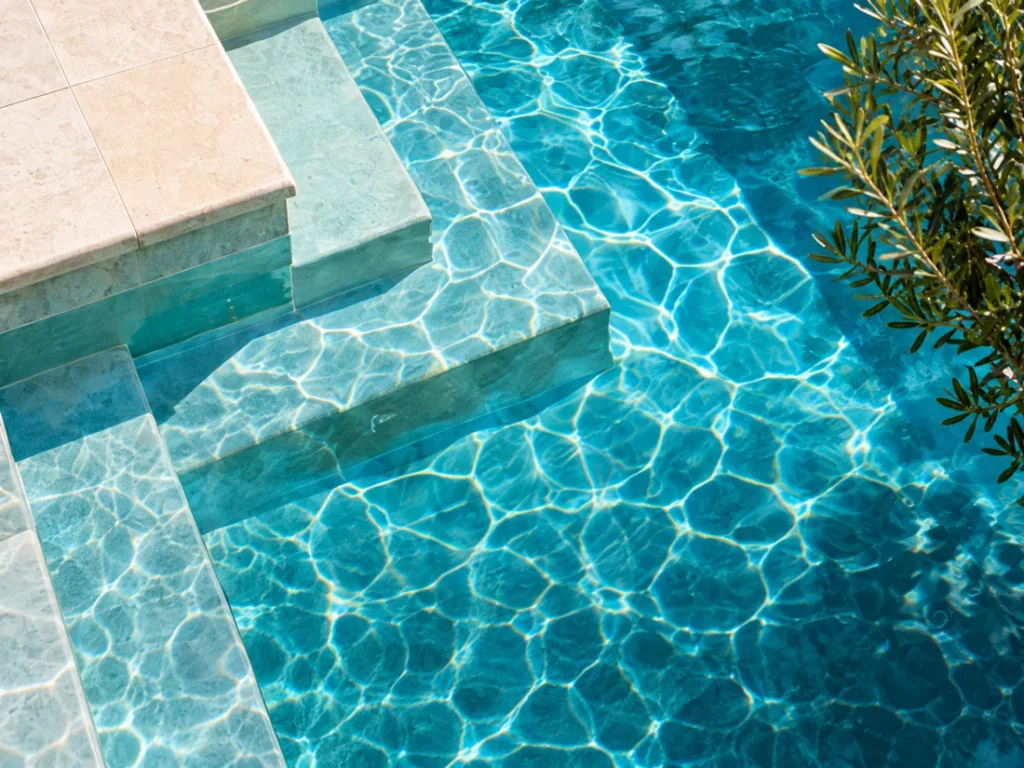
Sunlit limestone steps descending into clear turquoise pool water

From the library

34 guides to explore

Care through an outage. Safe equipment access; Water tests and debris; Controlled restart.

Pool Care During a Power Outage

During a pool power outage, keep swimmers out, remove accessible debris safely, and keep testing the water. The next decision depends on the weather and equipment condition. A dry equipment pad in mild weather needs a different response from flooding or suspected ice.

Read the guide →
Remove only excess water. Safe conditions; Approved discharge; Correct operating level.

Pool Overflowing After Heavy Rain

If heavy rain is making the pool overflow, first check whether water is threatening electrical equipment or the house. Stay away from flooded controls and wait out lightning. Once access is safe, identify an approved discharge route and remove only the excess water needed to restore the pool’s operating level.

Read the guide →
Investigate mosquito larvae. Identify the organism; Pool or cover water?; Remove breeding sources.

Mosquito Larvae in a Pool

Mosquito larvae in a pool call for two checks: confirm what the organisms are, then locate the water where they are developing. Remove them and restore proper pool maintenance. If larvae persist, contact local mosquito control instead of repeatedly increasing chlorine without a diagnosis.

Read the guide →
Monitor the heat wave. Chlorine between doses; Water level and flow; Temporary setting review.

Pool Care During a Heat Wave

During a heat wave, check whether your usual sanitizer routine still lasts until the next test. Check the water level and equipment at the same time. Change treatment or operating hours in response to those observations, rather than using air temperature as a dosing formula.

Read the guide →
Check after the party. Remove debris; Test before correcting; Verify the next swim.

Pool Care After a Large Party

After a large pool party, remove debris, check free chlorine and pH, and correct what the tests show. Do not wait until the next morning to discover that sanitizer ran low. A party does not create one universal shock dose for every pool.

Read the guide →
Build a real pool budget. Energy, water, supplies and service.

Pool Maintenance Cost: Build Your Annual Budget

Build a pool maintenance budget from the costs your pool actually creates: energy, water, chemicals, testing, cleaning supplies, service, and eventual repairs. A single national monthly average can hide more than it explains. Climate, season length, equipment, and what a service contract includes all change the total.

Read the guide →
Tools that earn their place. Match the equipment to the task.

Pool Maintenance Tools: A Starter Kit by Task

Buy pool maintenance tools by the jobs you need to do, not by the size of a bundled kit. Most owners need a reliable testing method, a compatible brush, a debris net, and a way to remove settled dirt. The exact pole, vacuum, and accessories depend on the pool and equipment.

Read the guide →
Brush where it matters. Cover the steps, seams and corners.

How Often Should You Brush a Pool?

Brush a pool often enough to prevent persistent buildup and reach the areas that circulation or a cleaner misses. The right frequency depends on the finish, debris, use, and any active treatment. A new plaster startup can require a different routine from an established vinyl pool.

Read the guide →

LESS GUESSWORK. MORE POOL TIME.

Let’s do the numbers.