
THE POOL NATIVE LIBRARY

Maintenance.

Build routines for cleaning, opening and closing.

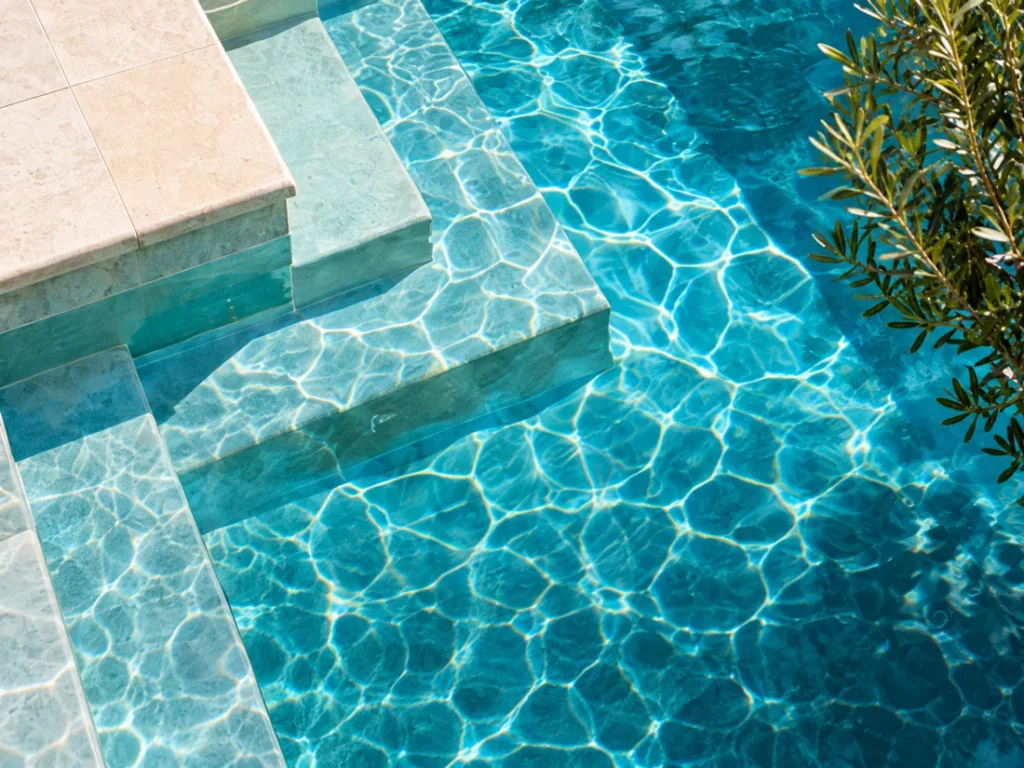
Sunlit limestone steps descending into clear turquoise pool water

From the library

34 guides to explore

Rake or skimmer net?. Match the pocket to the debris.

Leaf Rake vs Skimmer Net for Pool Cleaning

A skimmer net is best suited to light floating debris, while a leaf rake’s deeper bag holds larger loads from the surface or floor. They overlap, but they are not equally convenient for every job. Choose by debris size, location, mesh, and how much load you can control safely.

Read the guide →
Open in the right order. Inspect, circulate, test and clean.

Pool Opening: A Startup Checklist

Opening a pool means restoring equipment safely, removing winter debris, establishing reliable water treatment, and checking access before anyone swims. Pulling off the cover and adding shock is only part of the job. The sequence depends on how the pool was closed and what equipment was protected.

Read the guide →
Choose the closing route. Climate and construction matter.

Winterizing a Pool: Choose the Correct Closing Route

Winterizing a pool starts with choosing the correct route: continued operation in a suitable climate, assembled cold weather closure, or draining and storing a seasonal pool. Those are different jobs. A generic winter chemical kit cannot choose the route or protect every piece of equipment from freezing.

Read the guide →
Store it or leave it up?. Check the exact pool instructions.

How to Winterize an Above-Ground Pool

Winterizing an above ground pool while leaving it assembled is appropriate only when the pool manufacturer allows that route for your climate. Some portable frame and inflatable ring pools require draining and storage in cold weather. A permanent wall pool and a seasonal pool should not inherit the same closing instructions.

Read the guide →
Prepare the filter for winter. Clean, drain and record the setup.

Winterizing a Pool Filter

Winterizing a pool filter means protecting the housing, internal parts, valve, and connected plumbing according to the exact model’s instructions. The procedure differs between sand, cartridge, and DE filters. Turning the pump off and removing one visible plug does not prove the whole system is drained.

Read the guide →
Measure the water loss. Weather and covers change the rate.

How Much Pool Evaporation Is Normal?

There is no single normal daily evaporation rate for every pool. Water temperature, air humidity, wind, cover use, and exposed surface area all matter. A level drop should be compared with conditions and other water losses before it is labeled a leak.

Read the guide →
Your weekly pool check: original Pool Native explanatory illustration.

Weekly Pool Maintenance Checklist

A weekly pool maintenance checklist should help you spot changes, clean what needs attention, and leave a clear record. It shouldn’t tell you to add chemicals or backwash automatically. Those jobs depend on measurements and your equipment.

Read the guide →
Keep the useful details: original Pool Native explanatory illustration.

Pool Maintenance Log Template

A useful pool maintenance log records more than chemical readings. It tells you what changed, what you did, and what happened afterward. Without that sequence, a page of numbers can hide the cause of a recurring problem.

Read the guide →
A pool care routine: original Pool Native explanatory illustration.

Pool Maintenance: Build Your Care Routine

Pool maintenance gets easier when you know what you’re checking and what would make you change course. The goal isn’t to add something to the water every weekend. It’s to keep sanitation, circulation, cleaning, and equipment condition working together.

Read the guide →

LESS GUESSWORK. MORE POOL TIME.

Let’s do the numbers.