THE POOL NATIVE LIBRARY

Pumps.

Find your way around flow, priming and pump choices.

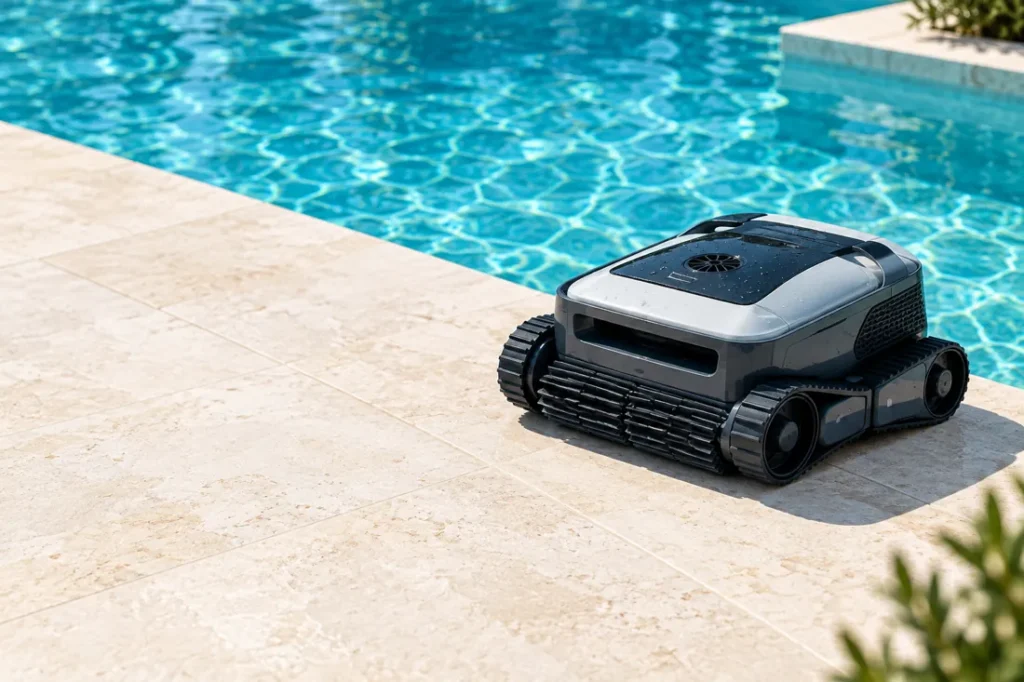
Illustrative robotic pool cleaner on a poolside deck

From the library

40 guides to explore

Adjust speed to the job. Circulation; Equipment demand; Measured power.

Variable Speed Pool Pump: Benefits and Fit Checks

A variable speed pool pump lets you match its speed to different jobs instead of running every task at one fixed speed. That can reduce electricity use when the system works effectively at lower flow. The benefit depends on the pump, plumbing, equipment requirements, and programmed schedule.

Read the guide →
Prime with a plan. Fill. Start. Watch for flow.

How to Prime a Pool Pump

Priming a pool pump means establishing the water supply it needs before normal circulation can begin. It does not mean leaving an empty pump running until water eventually arrives. Follow the exact pump and filter manuals, because installation height and valve layout change the procedure.

Read the guide →
When water will not move. Check the supply and air entry.

Pool Pump Will Not Prime

If your pool pump will not prime, stop running it dry and check why water isn’t reaching or staying in the housing. Common possibilities include inadequate water supply, an incorrect valve path, air entry, or a restriction. The motor turning doesn’t prove that the pump has useful water flow.

Read the guide →
Trace overnight drainback. Separate running from shutdown.

Pool Pump Loses Prime After Shutdown

A pool pump that loses prime overnight may have an air entry path that lets water drain back after shutdown. But a falling basket level alone doesn’t identify the failed component. Equipment height, plumbing layout, and the system’s normal restart behavior also matter.

Read the guide →

LESS GUESSWORK. MORE POOL TIME.

Let’s do the numbers.